Japan Packing List by Season: Essential Gear and Local Tips for 2024-2025
Why Your Packing Strategy Matters in Japan
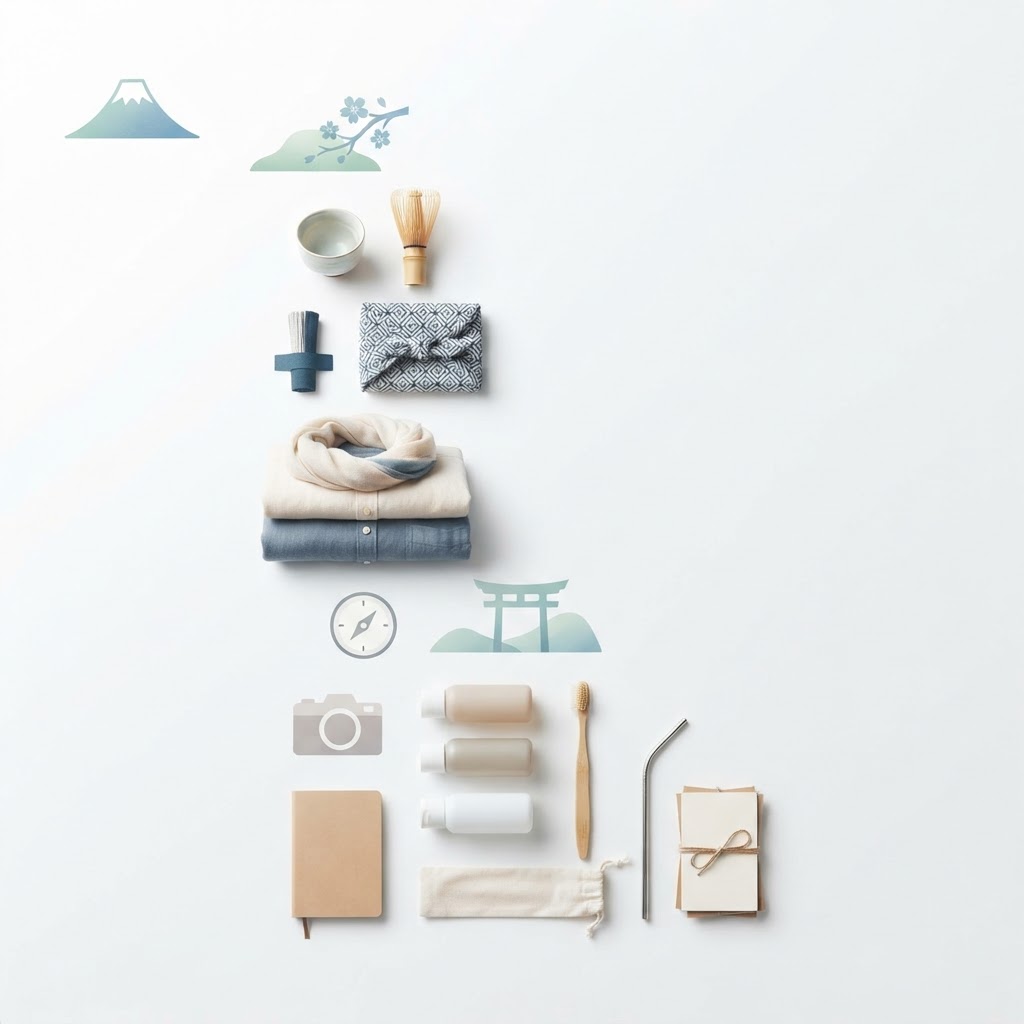
Navigating Japan involves significant walking, often through crowded train stations and historic districts with narrow sidewalks. Carrying heavy, oversized luggage is a common mistake that can hinder your mobility. Because high-quality clothing, toiletries, and travel essentials are easily accessible at Japanese convenience stores and drugstores, the secret to a successful trip is packing light. This guide helps you pack effectively for Japan’s diverse climate while ensuring you remain mobile.
Seasonal Packing Essentials
Spring (March–May) & Autumn (September–November)
These shoulder seasons offer the most pleasant weather, yet temperatures fluctuate between sunny days and chilly evenings.
- Clothing: Focus on versatile layers. A light jacket or a packable windbreaker, a medium-weight cardigan, and breathable base layers are ideal.
- Footwear: Expect to walk 15,000+ steps daily. Bring broken-in, comfortable walking shoes. Avoid brand-new shoes to prevent blisters.
Summer (June–August)
Expect high humidity, soaring temperatures, and the rainy season (Tsuyu) through early July.
- Clothing: Pack lightweight, moisture-wicking, and quick-drying fabrics. Avoid thick denim or heavy cotton that traps heat.
- Gear: A small, foldable umbrella is mandatory. You can purchase a sturdy one at any 7-Eleven or Lawson. Pick up cooling wipes and portable fans at local drugstores (like Matsumoto Kiyoshi) to stay comfortable on the go.
Winter (December–February)
While Tokyo and Kyoto are generally dry, northern regions like Hokkaido and the Japanese Alps experience significant snowfall.
- Clothing: Invest in a high-quality down jacket, thermal layers, gloves, and a scarf.
- Pro-Tip: If you under-pack, visit a local UNIQLO. Their ‘Heattech’ innerwear is specifically engineered for Japanese winters and is often more affordable and effective than international alternatives.
The Smart Traveler’s Checklist
Must-Haves
- Slip-on Shoes: You will frequently remove your shoes at temples, shrines, and traditional ryokans. Choose footwear that is easy to put on and take off.
- Coin Purse: Despite Japan’s shift toward cashless payments, vending machines, small shrines, and local eateries still rely on cash. A dedicated coin purse is a practical necessity.
- Power Bank: Between navigation on Google Maps and using translation apps, your smartphone battery will drain rapidly. A compact, lightweight power bank is vital.
Digital Essentials
- Connectivity: Pre-install an eSIM before your arrival to avoid airport queues. Having data immediately upon landing is essential for navigating complex station layouts.
- Digital IC Card: Add a Suica, Pasmo, or ICOCA card to your Apple Wallet or Google Wallet for seamless tap-and-go travel on public transportation.
What to Leave at Home
- Excessive Toiletries: Most Japanese hotels provide high-quality amenities, including shampoo, conditioner, body wash, razors, and pajamas (yukata).
- Bulky Winter Gear: Unless you are heading to the snow country, avoid bringing a massive, space-consuming coat. Purchase additional warm layers locally if needed.
The Professional Strategy: Takkyubin
Avoid dragging suitcases onto trains during rush hours. Use ‘Takkyubin’ (luggage forwarding service) available at airports and most hotel front desks. You can send your large suitcases to your next hotel for a small fee, allowing you to travel between cities with only a small daypack.